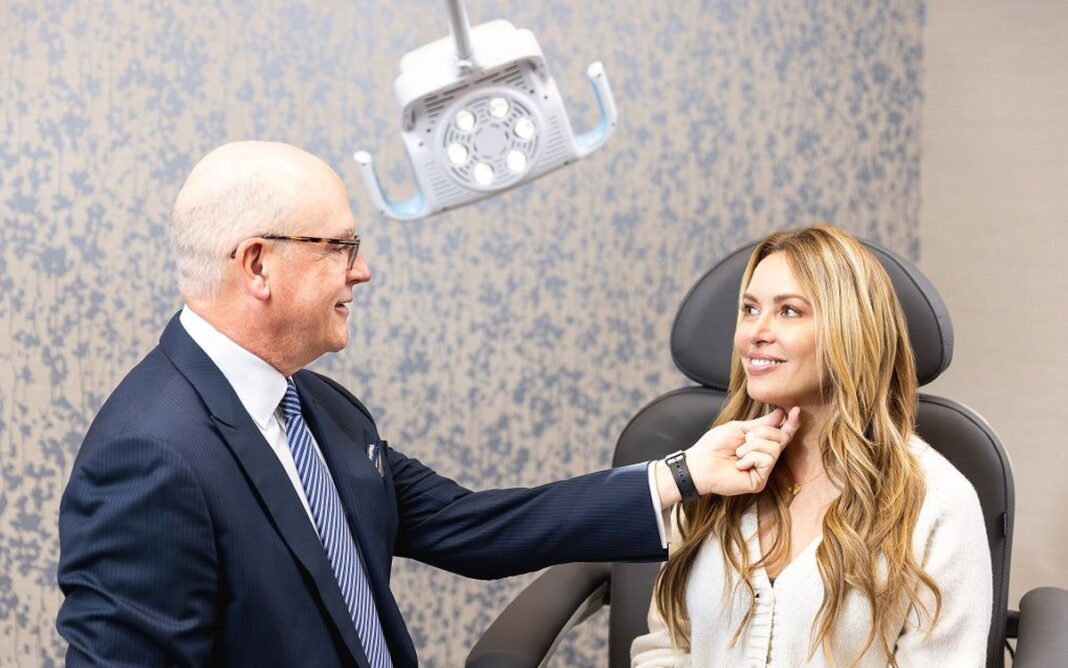


Before you book surgery in a doctor’s office, ask who accredits the operating room. For office-based plastic surgery, the practice of Leo Lapuerta, MD, FACS, points patients to two names, AAAASF and AAAHC, office-based accrediting bodies it says are recognized by the American Board of Plastic Surgery.
Dr. Lapuerta, a triple board-certified plastic surgeon with more than 30 years of experience, has operated his own AAAASF accredited facility, The Plastic Surgery Institute of Southeast Texas, since 2003. His practice’s guide to office-based plastic surgery in the Houston area makes the case for the model. Patients weighing it tend to bring a few assumptions worth testing.
Assumption: a hospital is the safer default
Hospitals handle emergencies, and patients associate them with safety for good reason. The practice’s answer rests on accreditation. AAAASF standards, it says, require the personnel, equipment and drugs in the facility to meet strict patient safety rules for routine cases and for emergencies, as in a hospital. The practice refers readers to the AAAASF itself for details on what its accreditation covers, a useful step for anyone comparing facilities.
The practice adds an argument about infection. Hospitals see large volumes of patients and, as the practice puts it, large volumes of germs. An office facility sees fewer patients, most of them healthy, and the practice says that can reduce the risk of infection compared with other settings.
None of this removes risk. Every operation carries it in any setting, and a patient’s own medical history helps decide where surgery belongs. Dr. Lapuerta also holds hospital privileges, including in the Memorial Hermann network, HCA hospitals such as The Woman’s Hospital of Texas, and St. Luke’s Houston Medical Center.
Assumption: an office means less privacy
The practice describes a sequence built around privacy from arrival to pickup:
- A private, comfortable room for the time before surgery.
- A private waiting room for family or friends, with cable television, wi-fi, magazines and refreshments on request.
- A private recovery area with a dedicated nurse and team member.
- A private exit to a covered pickup area when the patient is ready to go home.
That last item matters to patients who would prefer to leave without passing through a public lobby. The practice also says patients won’t face lines, crowds or a wait to be called back.
Assumption: the schedule belongs to someone else
The practice says an office facility dedicated to plastic surgery gives patients greater flexibility and control over the days and times they schedule surgery.
Continuity comes with it. Only cosmetic and plastic surgery procedures take place at the facility, so the environment, staff and equipment are specific to that work. According to the practice, the team members spend each day doing plastic surgery with Dr. Lapuerta and already know the patient and the surgical plan. Everything happens in one place, with the same team throughout.
Assumption: anesthesia is one-size-fits-all
The practice says patients in an office setting have more choice in the type of anesthesia they receive, depending on medical history and the planned procedure. Options range from sedation to TIVA (total intravenous anesthesia) to traditional general anesthesia.
The plan can be tailored to specific concerns, such as pre-existing medical conditions, worries about pain, nausea and vomiting, or a wish to avoid feeling “drugged up” for days. The practice frames the goal as a safe surgical experience with the right amount of anesthesia for the individual.
Who delivers it matters as much as the method. Dr. Lapuerta works with physician anesthesiologists, never nurse anesthetists or anesthesia assistants. In his view, a surgeon’s experience with a procedure, together with board certification, is the best determinant of an outcome patients are happy with, and the team around that surgeon is part of the same picture.
The practice lists offices in Houston, Pearland, Katy and Piney Point. At any of them, the opening question still applies, along with a second one: who will be giving the anesthesia?
This article is for general information only and is not medical advice. Results vary from patient to patient. Consult a board-certified plastic surgeon or your physician about your own situation. Written in partnership with Joseph Lambert, a publicist working with Leo Lapuerta, MD Plastic Surgery.